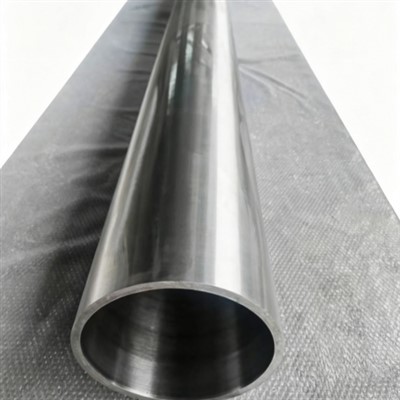
As a supplier of duplex stainless pipes, one question I'm frequently asked is whether duplex stainless pipes can be welded. The answer is a resounding yes, but it comes with a set of considerations and best practices that I'd like to share with you.


Understanding Duplex Stainless Steel
Before delving into the welding process, it's essential to understand what duplex stainless steel is. Duplex stainless steel is a type of stainless steel that has a two - phase microstructure consisting of both austenite and ferrite. This unique structure gives it a combination of properties that are highly desirable in many applications. It offers high strength, good corrosion resistance, and excellent weldability compared to some other types of stainless steel.
The most common grades of duplex stainless steel used in pipe manufacturing are 2205 UNS S32205 S31803 and 2507 UNS S32750 S32760. Grade 2205 is widely used in various industries such as chemical processing, oil and gas, and water treatment due to its good balance of strength and corrosion resistance. Grade 2507, on the other hand, is a super duplex stainless steel with even higher corrosion resistance, especially in aggressive environments like seawater and high - chloride solutions.
Weldability of Duplex Stainless Pipes
The weldability of duplex stainless pipes is generally good, but it requires careful control of the welding process to maintain the desired microstructure and properties. When duplex stainless steel is welded, the heat input from the welding process can cause changes in the ratio of austenite to ferrite in the weld zone. If the heat input is too high, the ferrite content may increase at the expense of austenite, which can lead to reduced corrosion resistance and toughness in the welded joint.
Welding Processes
Several welding processes can be used for duplex stainless pipes, including Gas Tungsten Arc Welding (GTAW), Gas Metal Arc Welding (GMAW), Shielded Metal Arc Welding (SMAW), and Submerged Arc Welding (SAW).
- Gas Tungsten Arc Welding (GTAW): Also known as TIG (Tungsten Inert Gas) welding, GTAW is a popular choice for welding duplex stainless pipes, especially for thin - walled pipes and root passes. It provides excellent control over the heat input and produces high - quality welds with good appearance. The use of an inert gas (usually argon) protects the weld pool from oxidation, ensuring a clean and sound weld.
- Gas Metal Arc Welding (GMAW): GMAW, or MIG (Metal Inert Gas) welding, is a faster welding process compared to GTAW. It can be used for both thin - and thick - walled pipes. However, it requires careful selection of the shielding gas and filler metal to maintain the proper balance of austenite and ferrite in the weld.
- Shielded Metal Arc Welding (SMAW): SMAW, or stick welding, is a versatile process that can be used in various field conditions. It is suitable for welding thick - walled pipes and for making repairs. However, it may require more skill to achieve high - quality welds compared to GTAW and GMAW.
- Submerged Arc Welding (SAW): SAW is a high - productivity welding process commonly used for welding thick - walled pipes in a factory environment. It involves the use of a granular flux that covers the weld pool, protecting it from the atmosphere and providing good weld quality.
Filler Metals
The selection of the appropriate filler metal is crucial for achieving a successful weld in duplex stainless pipes. The filler metal should have a similar chemical composition to the base metal and be capable of producing a weld with the desired austenite - ferrite ratio. For grade 2205 duplex stainless steel, ER2209 filler metal is commonly used. For grade 2507 super duplex stainless steel, ER2594 filler metal is a suitable choice.
Pre - welding and Post - welding Considerations
Pre - welding
- Cleaning: Before welding, the pipe surfaces must be thoroughly cleaned to remove any contaminants such as oil, grease, dirt, and oxides. This can be done using solvents, wire brushing, or mechanical cleaning methods.
- Joint Preparation: Proper joint preparation is essential for achieving a good weld. The joint design should be selected based on the pipe thickness and the welding process to be used. Common joint designs for duplex stainless pipes include butt joints, fillet joints, and groove joints.
- Pre - heating: In some cases, pre - heating may be required to reduce the risk of cracking in the weld zone. However, pre - heating is generally not necessary for duplex stainless steel pipes unless the ambient temperature is very low or the pipe thickness is extremely large.
Post - welding
- Heat Treatment: After welding, post - weld heat treatment (PWHT) may be required to restore the corrosion resistance and mechanical properties of the welded joint. However, PWHT is not always necessary for duplex stainless steel pipes, especially for thin - walled pipes. In some cases, a simple stress - relieving heat treatment may be sufficient.
- Inspection: After welding, the welded joints should be inspected to ensure their quality. Non - destructive testing methods such as ultrasonic testing (UT), radiographic testing (RT), and liquid penetrant testing (PT) can be used to detect any internal or surface defects in the weld.
Applications of Welded Duplex Stainless Pipes
Welded duplex stainless pipes are widely used in various industries due to their excellent combination of properties. In the oil and gas industry, they are used for offshore platforms, pipelines, and refineries. The high strength and corrosion resistance of duplex stainless steel make it suitable for handling aggressive fluids and operating in harsh environments.
In the chemical processing industry, welded duplex stainless pipes are used for transporting corrosive chemicals and for constructing chemical reactors and storage tanks. The good weldability of duplex stainless steel allows for the fabrication of complex structures with high integrity.
In the water treatment industry, duplex stainless pipes are used for desalination plants, water distribution systems, and wastewater treatment facilities. The corrosion resistance of duplex stainless steel ensures long - term reliability and reduces the need for frequent maintenance.
Conclusion
In conclusion, duplex stainless pipes can be successfully welded, but it requires careful attention to the welding process, filler metal selection, and pre - and post - welding considerations. By following the best practices and guidelines, high - quality welded joints can be achieved, ensuring the long - term performance and reliability of the pipes in various applications.
If you are in the market for duplex stainless pipes or have any questions about the welding process, I encourage you to reach out to us. We have a team of experts who can provide you with the technical support and guidance you need. Whether you are a small - scale project or a large - scale industrial application, we can offer you the right duplex stainless pipes and solutions. Contact us today to start a procurement discussion and find the best products for your needs.
References
- ASME Boiler and Pressure Vessel Code, Section IX - Welding and Brazing Qualifications
- AWS D1.6: Structural Welding Code - Stainless Steel
- Duplex Stainless Steels: Properties, Processing, and Applications by J. N. DuPont and R. A. Cottis