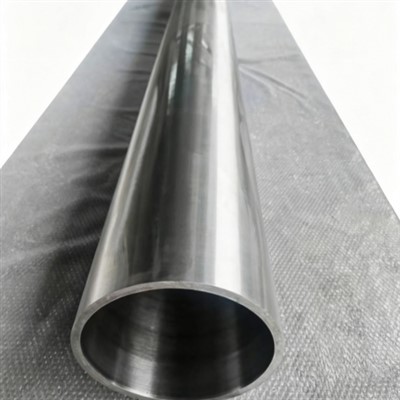
Hey there! I'm a supplier of 2205 Pipe, and today I wanna chat about how formability affects the manufacturing of these products.
First off, let's get a basic understanding of 2205 Pipe. 2205 is a duplex stainless steel, which means it has a two - phase microstructure of austenite and ferrite. This unique structure gives it a great combination of strength and corrosion resistance, making it super popular in various industries like chemical processing, oil and gas, and water treatment. You can check out more about 2205 Pipe on our website.


Now, formability. What exactly is it? Well, formability refers to the ability of a material to be shaped into a desired form without cracking or failing. In the case of 2205 Pipe manufacturing, formability plays a crucial role at every step of the process.
During the initial stages of manufacturing, the raw material, which is usually in the form of a billet or a slab, needs to be hot - rolled into a tube. The formability of 2205 steel at high temperatures determines how well it can be elongated and shaped into the tubular form. If the formability is poor, the steel may crack during the hot - rolling process. This not only leads to a loss of material but also affects the overall quality of the final product.
One of the factors that influence the formability of 2205 steel during hot - rolling is its chemical composition. The balance between austenite and ferrite phases is critical. If there's too much ferrite, the steel can become brittle at high temperatures, reducing its formability. On the other hand, an appropriate amount of alloying elements like chromium, nickel, and molybdenum can enhance the formability by improving the ductility of the steel.
After hot - rolling, the 2205 Pipe may go through cold - forming processes such as bending, flaring, or expanding. Cold - forming is often required to meet the specific design requirements of the end - users. For example, in a chemical plant, the pipes may need to be bent to fit around other equipment. The formability of 2205 Pipe at room temperature is essential here.
The microstructure of the 2205 steel after hot - rolling also affects its cold - formability. A fine - grained microstructure generally provides better formability compared to a coarse - grained one. This is because fine grains can deform more uniformly, reducing the risk of cracking. Heat treatment processes can be used to control the grain size and improve the cold - formability of the pipes.
Another aspect of formability in 2205 Pipe manufacturing is its weldability. Welding is a common process used to join pipes together. The formability of the welded joints is just as important as that of the base metal. If the formability of the weld is poor, it can lead to cracking during subsequent forming operations or in service.
The welding process itself can have a significant impact on the formability of the welded area. For example, improper welding parameters such as high heat input can cause excessive grain growth in the heat - affected zone (HAZ), reducing its formability. Using the right welding consumables and techniques is crucial to ensure good formability of the welded joints.
Let's talk about some real - world implications of formability in 2205 Pipe manufacturing. In the oil and gas industry, pipes are often subjected to high pressures and harsh environmental conditions. If the formability of the pipes is not good, they may develop cracks or failures during installation or operation. This can lead to costly repairs, production downtime, and even safety hazards.
In the construction of water treatment plants, 2205 pipes need to be formed into various shapes to fit the complex piping systems. Good formability allows for easier installation and better overall performance of the system.
Now, you might be wondering how our company, as a 2205 Pipe supplier, deals with formability issues. We have a team of experts who closely monitor the chemical composition and microstructure of the raw materials. We use advanced testing techniques to ensure that the formability of the steel meets the required standards.
During the manufacturing process, we carefully control the hot - rolling and heat - treatment parameters to optimize the formability of the pipes. For welding, we have strict quality control measures in place to ensure that the welded joints have good formability.
We also offer a wide range of 2205 Pipe products with different sizes and wall thicknesses to meet the diverse needs of our customers. And if you're looking for a more high - performance option, we also supply S32750 Pipe, which has even better corrosion resistance and mechanical properties in some applications.
If you're in the market for 2205 Pipe or have any questions about formability and its impact on manufacturing, don't hesitate to reach out. We're here to help you find the best solutions for your projects. Whether you're a contractor, an engineer, or an end - user, we can provide you with the high - quality pipes you need. Contact us for more information and let's start a conversation about your specific requirements.
References:
- "Duplex Stainless Steels: Properties, Processing, and Applications" - A comprehensive book on duplex stainless steels including 2205.
- Industry reports on the use of 2205 Pipe in various sectors such as oil and gas, chemical processing, etc.