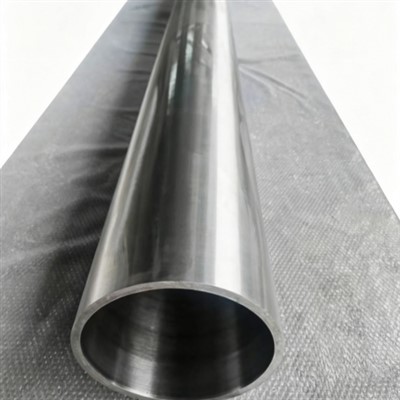
Ensuring the proper alignment of duplex stainless pipes during installation is crucial for the long - term performance and safety of any piping system. As a supplier of duplex stainless pipes, I've seen firsthand how misaligned pipes can lead to a whole host of problems, from leaks and reduced flow rates to premature wear and tear. In this blog, I'll share some tips and tricks on how to make sure your duplex stainless pipes are installed with perfect alignment.
Understanding Duplex Stainless Pipes
Before we dive into the alignment process, let's quickly go over what duplex stainless pipes are. Duplex stainless steel is a type of steel that combines the benefits of austenitic and ferritic stainless steels. It has high strength, excellent corrosion resistance, and good weldability. Two of the most popular grades are 2205 UNS S32205 S31803 and 2507 UNS S32750 S32760. These pipes are commonly used in industries such as oil and gas, chemical processing, and marine applications.
Pre - installation Preparation
The first step in ensuring proper alignment is thorough pre - installation preparation. This includes a detailed site survey. You need to measure the area where the pipes will be installed, taking note of any obstacles, elevation changes, or existing structures. Make sure to use high - quality measuring tools, like laser levels and precision tapes, to get accurate measurements.
Next, check the pipes themselves. Inspect them for any damage, dents, or irregularities that could affect alignment. If you find any issues, replace the damaged pipes immediately. It's also a good idea to clean the pipes to remove any dirt, debris, or rust that could interfere with the installation process.
Marking and Layout
Once you've prepared the site and the pipes, it's time to start marking and laying out the pipe route. Use chalk or a marker to mark the centerline of the pipe on the floor, walls, or support structures. This will serve as a guide during the installation process.
For complex piping systems, it can be helpful to create a detailed layout drawing. This drawing should include all the pipe runs, fittings, and support locations. Make sure to label everything clearly so that everyone involved in the installation can understand the plan.
Pipe Support Installation
Proper pipe support is essential for maintaining alignment. Install supports at regular intervals along the pipe route. The spacing of the supports will depend on the pipe size, material, and the type of fluid or gas it will carry.
When installing supports, make sure they are level and plumb. Use shims if necessary to adjust the height of the supports. The supports should be firmly attached to the floor, walls, or other structures to prevent movement during operation.
Joining the Pipes
There are several methods for joining duplex stainless pipes, including welding, threading, and using mechanical couplings. Each method has its own requirements for alignment.
If you're welding the pipes, make sure the ends of the pipes are properly beveled and cleaned. Use a welding jig or fixture to hold the pipes in place during the welding process. This will help ensure that the pipes are aligned correctly and that the weld is strong and uniform.
For threaded connections, use a pipe wrench or a torque wrench to tighten the fittings to the correct torque specification. Over - tightening or under - tightening can cause misalignment and leaks.


Mechanical couplings are a quick and easy way to join pipes, but they also require proper alignment. Make sure the coupling is centered on the joint and that the bolts are tightened evenly.
Alignment Checks
Throughout the installation process, it's important to perform regular alignment checks. Use a straightedge or a laser alignment tool to check the straightness of the pipes. Measure the distance between the pipes at several points along the length to ensure that they are parallel.
If you find any misalignment, don't try to force the pipes into place. Instead, identify the cause of the misalignment and correct it. This could involve adjusting the supports, re - cutting the pipe ends, or realigning the fittings.
Thermal Expansion Considerations
Duplex stainless pipes, like all materials, expand and contract with changes in temperature. This thermal expansion can cause misalignment if not properly accounted for.
When designing the piping system, make sure to include expansion joints or flexible connectors at appropriate intervals. These components can absorb the thermal expansion and contraction, preventing stress on the pipes and fittings.
Quality Control
Finally, implement a quality control program to ensure that the alignment of the duplex stainless pipes meets the required standards. This program should include visual inspections, dimensional checks, and pressure testing.
During the visual inspections, look for any signs of misalignment, such as gaps between the pipes or uneven joints. Use a caliper or a micrometer to measure the pipe dimensions and ensure that they are within the specified tolerances.
Pressure testing is an important step in verifying the integrity of the piping system. It can help detect any leaks or weak points that could be caused by misalignment.
Conclusion
Ensuring the proper alignment of duplex stainless pipes during installation is a critical process that requires careful planning, attention to detail, and the use of the right tools and techniques. By following the steps outlined in this blog, you can minimize the risk of misalignment and ensure the long - term performance and safety of your piping system.
If you're in the market for high - quality duplex stainless pipes, I'd love to talk to you. Whether you need 2205 UNS S32205 S31803 or 2507 UNS S32750 S32760, we've got you covered. Reach out to us to discuss your project requirements and get a quote.
References
- ASME B31.3 Process Piping Code
- ASTM Standards for Duplex Stainless Steel Pipes
- Pipe Installation Manuals from Leading Manufacturers