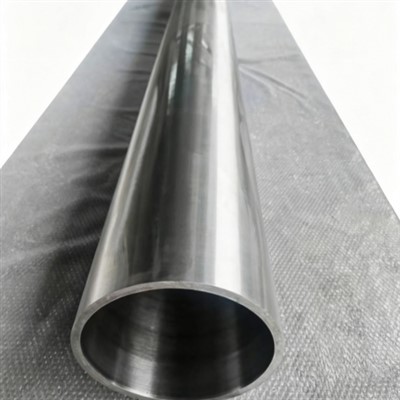
Duplex stainless steel pipes are renowned for their exceptional corrosion resistance, high strength, and excellent weldability, making them a popular choice in various industries such as oil and gas, chemical processing, and marine applications. However, even these robust pipes are not immune to corrosion under certain conditions. As a supplier of duplex stainless pipes, I understand the importance of preventing corrosion to ensure the longevity and performance of our products. In this blog post, I will share some effective strategies on how to prevent corrosion in duplex stainless pipes.
Understanding the Corrosion Mechanisms in Duplex Stainless Pipes
Before delving into prevention methods, it's crucial to understand the types of corrosion that can affect duplex stainless pipes. The most common forms of corrosion in duplex stainless steel include:
- Pitting Corrosion: This occurs when the passive oxide layer on the surface of the pipe is damaged, exposing the underlying metal to the corrosive environment. Small pits or holes form on the surface, which can eventually lead to perforation of the pipe.
- Crevice Corrosion: Crevice corrosion happens in confined spaces such as flanges, gaskets, or under deposits where the flow of oxygen is restricted. The lack of oxygen creates a differential aeration cell, leading to accelerated corrosion within the crevice.
- Stress Corrosion Cracking (SCC): SCC is a combination of tensile stress and a corrosive environment, which can cause cracks to form and propagate in the pipe. This type of corrosion is particularly dangerous as it can occur suddenly and without warning.
- General Corrosion: General corrosion is a uniform attack on the entire surface of the pipe, resulting in a gradual loss of material over time.
Selecting the Right Grade of Duplex Stainless Steel
One of the most effective ways to prevent corrosion in duplex stainless pipes is to select the appropriate grade of stainless steel for the specific application. Different grades of duplex stainless steel have varying levels of corrosion resistance, depending on their chemical composition and microstructure.
For example, the S32750 Pipe, also known as super duplex stainless steel, contains high levels of chromium, molybdenum, and nitrogen, which provide excellent resistance to pitting, crevice corrosion, and SCC in aggressive environments such as seawater and chemical processing plants. On the other hand, the 2205 Pipe is a standard duplex stainless steel that offers good corrosion resistance in less severe environments and is more cost-effective.


When selecting the grade of duplex stainless steel, it's important to consider factors such as the operating temperature, pressure, and the type of corrosive media present in the environment. Consulting with a materials engineer or corrosion specialist can help ensure that the right grade of stainless steel is chosen for the application.
Proper Installation and Welding Techniques
Proper installation and welding techniques are essential to prevent corrosion in duplex stainless pipes. Improper installation can lead to stress concentrations, crevices, and damage to the passive oxide layer, which can increase the risk of corrosion.
- Surface Preparation: Before installation, the surface of the pipes should be thoroughly cleaned to remove any dirt, grease, or contaminants. This can be done using solvents, abrasive cleaning, or pickling.
- Welding: Welding is a critical process that can affect the corrosion resistance of duplex stainless pipes. It's important to use the correct welding consumables and techniques to ensure a high-quality weld. Post-weld heat treatment may also be required to restore the corrosion resistance of the weld area.
- Avoiding Galvanic Corrosion: Galvanic corrosion can occur when two different metals are in contact in the presence of an electrolyte. To prevent galvanic corrosion, it's important to avoid direct contact between duplex stainless steel pipes and other metals with a different electrochemical potential. If necessary, insulating materials can be used to separate the two metals.
Maintaining a Clean and Corrosion-Resistant Environment
Maintaining a clean and corrosion-resistant environment is crucial to prevent corrosion in duplex stainless pipes. This can be achieved through proper cleaning, monitoring, and maintenance practices.
- Regular Cleaning: Regular cleaning of the pipes can help remove any dirt, scale, or deposits that can accumulate on the surface and cause corrosion. The cleaning method should be selected based on the type of contaminants and the surface finish of the pipes.
- Monitoring and Inspection: Regular monitoring and inspection of the pipes can help detect any signs of corrosion early on. This can be done using non-destructive testing methods such as ultrasonic testing, magnetic particle testing, or visual inspection.
- Corrosion Inhibitors: In some cases, the use of corrosion inhibitors can help prevent corrosion in duplex stainless pipes. Corrosion inhibitors are chemicals that can be added to the process fluid to reduce the rate of corrosion. The choice of corrosion inhibitor depends on the type of corrosive media and the operating conditions.
Cathodic Protection
Cathodic protection is a technique used to prevent corrosion by making the pipe the cathode of an electrochemical cell. This can be achieved through either sacrificial anode cathodic protection or impressed current cathodic protection.
- Sacrificial Anode Cathodic Protection: In sacrificial anode cathodic protection, a more active metal (such as zinc or aluminum) is connected to the pipe. The sacrificial anode corrodes preferentially, protecting the pipe from corrosion.
- Impressed Current Cathodic Protection: In impressed current cathodic protection, an external power source is used to supply a direct current to the pipe, making it the cathode of the electrochemical cell. This method is more suitable for large-scale applications and provides more precise control over the protection current.
Cathodic protection can be an effective way to prevent corrosion in duplex stainless pipes, especially in environments where the risk of corrosion is high.
Conclusion
Preventing corrosion in duplex stainless pipes is essential to ensure their longevity and performance. By selecting the right grade of stainless steel, using proper installation and welding techniques, maintaining a clean and corrosion-resistant environment, and implementing cathodic protection if necessary, the risk of corrosion can be significantly reduced.
As a supplier of duplex stainless pipes, I am committed to providing high-quality products and technical support to our customers. If you have any questions or need assistance in preventing corrosion in your duplex stainless pipes, please feel free to contact us for further information and to discuss your specific requirements. We look forward to working with you to ensure the success of your projects.
References
- Uhlig, H. H., & Revie, R. W. (2011). Corrosion and Corrosion Control: An Introduction to Corrosion Science and Engineering. Wiley.
- Fontana, M. G. (1986). Corrosion Engineering. McGraw-Hill.
- ASTM International. (2019). ASTM Standards on Stainless Steel. West Conshohocken, PA: ASTM International.