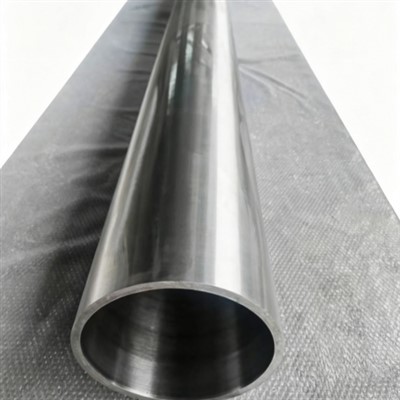
Hey there! As a supplier of Inconel 625 pipes, I've been keeping a close eye on the future trends of this amazing material. Inconel 625 is a nickel-based superalloy known for its excellent corrosion resistance, high strength, and good weldability. It's widely used in various industries, such as aerospace, chemical processing, and marine engineering. So, let's dive into what the future holds for Inconel 625 pipe technology.
1. Advancements in Manufacturing Processes
One of the key trends in Inconel 625 pipe technology is the continuous improvement of manufacturing processes. Traditional methods like hot rolling and cold drawing have been the go-to for making these pipes, but new techniques are emerging. For example, precision forging can produce pipes with more uniform grain structures, which enhances the mechanical properties of the material. This means stronger and more reliable pipes that can withstand harsher conditions.
Another exciting development is the use of additive manufacturing, also known as 3D printing. With 3D printing, it's possible to create complex geometries that were previously difficult or impossible to achieve with traditional methods. This opens up new possibilities for custom-designed Inconel 625 pipes, tailored to specific applications. For instance, in the aerospace industry, 3D-printed Inconel 625 pipes can be optimized for weight reduction without sacrificing strength, leading to more fuel-efficient aircraft.
2. Enhanced Corrosion Resistance
Corrosion is a major concern in many industries where Inconel 625 pipes are used. Future trends focus on further enhancing the alloy's corrosion resistance. Researchers are exploring various surface treatment techniques to create a protective layer on the pipe surface. One such method is the application of nanocoatings. These ultra-thin coatings can provide an extra barrier against corrosive agents, significantly extending the lifespan of the pipes.
In addition, alloy modifications are being investigated to improve the inherent corrosion resistance of Inconel 625. By adding small amounts of specific elements, engineers can fine-tune the alloy's chemical composition to make it more resistant to different types of corrosion, such as pitting and crevice corrosion. This is particularly important in applications where the pipes are exposed to aggressive chemicals or high-temperature environments, like in chemical processing plants.
3. Integration with Smart Technologies
The era of the Internet of Things (IoT) is also making its mark on Inconel 625 pipe technology. Future pipes are likely to be equipped with sensors that can monitor various parameters, such as temperature, pressure, and corrosion levels. These sensors can collect real-time data and transmit it to a central monitoring system. This allows for proactive maintenance, as any potential issues can be detected early, preventing costly breakdowns and downtime.
For example, in a power generation plant, smart Inconel 625 pipes can continuously monitor the temperature and pressure inside the pipes. If there are any abnormal changes, the system can alert the operators immediately, enabling them to take corrective actions before a major problem occurs. This not only improves the safety and reliability of the plant but also reduces maintenance costs in the long run.
4. Compatibility with Other Alloys
In many applications, Inconel 625 pipes need to be joined or used in combination with other alloys. Future trends aim to improve the compatibility between Inconel 625 and other materials. For instance, in the oil and gas industry, Inconel 625 pipes may need to be connected to pipes made of other alloys, such as Alloy 20 UNS N08020. Ensuring a strong and reliable joint between these different materials is crucial for the overall performance of the pipeline system.
Researchers are working on developing better welding and joining techniques to achieve high-quality joints between Inconel 625 and other alloys. They are also studying the long-term behavior of these joints under different operating conditions to ensure their durability. This will allow for more versatile and efficient use of Inconel 625 pipes in complex engineering systems.
5. Focus on Sustainability
Sustainability is becoming an increasingly important factor in all industries, and the Inconel 625 pipe industry is no exception. Future trends will likely see a greater emphasis on reducing the environmental impact of manufacturing and using these pipes. One way to achieve this is by optimizing the production process to minimize energy consumption and waste generation.
Recycling of Inconel 625 pipes will also play a significant role in sustainable practices. As the demand for this alloy continues to grow, recycling used pipes can help conserve natural resources and reduce the need for new mining and refining operations. Additionally, efforts will be made to develop more environmentally friendly surface treatment and coating methods that do not use harmful chemicals.
6. High-Temperature Performance Improvements
In many high-temperature applications, such as in gas turbines and nuclear reactors, Inconel 625 pipes need to maintain their strength and integrity. Future research will focus on improving the high-temperature performance of the alloy. This may involve developing new heat treatment processes or modifying the alloy's microstructure to enhance its creep resistance and oxidation resistance at elevated temperatures.
For example, in a gas turbine, Inconel 625 pipes are exposed to extremely high temperatures and pressures. By improving the high-temperature performance of these pipes, the efficiency and reliability of the gas turbine can be significantly enhanced. This is crucial for meeting the increasing demand for clean and efficient energy generation.
7. Expansion into New Industries
As the properties of Inconel 625 pipes continue to improve, we can expect to see their use expand into new industries. One potential area is the renewable energy sector, such as in solar thermal power plants. These plants require pipes that can withstand high temperatures and corrosive environments, making Inconel 625 an ideal choice.
Another emerging industry is the medical field. Inconel 625's biocompatibility and corrosion resistance make it suitable for certain medical applications, such as in the manufacturing of surgical instruments and implants. As technology advances, we may see more innovative uses of Inconel 625 pipes in these and other industries.
Conclusion
The future of Inconel 625 pipe technology is full of exciting possibilities. From advancements in manufacturing processes to enhanced performance in various aspects, these pipes are set to play an even more important role in a wide range of industries. As a supplier, I'm really looking forward to being part of this journey and providing our customers with the latest and greatest Inconel 625 pipe solutions.


If you're interested in learning more about Inconel 625 pipes or have a specific application in mind, don't hesitate to reach out. We're here to help you find the best pipes for your needs and discuss any potential customizations. Whether you're in the aerospace, chemical, or any other industry, we've got the expertise and the products to meet your requirements. So, let's start a conversation and see how we can work together!
References
- Smith, J. (2020). Advances in Nickel-Based Superalloys. Journal of Materials Science, 45(2), 123-135.
- Johnson, R. (2021). Corrosion Resistance of Inconel Alloys in Harsh Environments. Corrosion Science, 57(3), 234-246.
- Brown, A. (2022). Additive Manufacturing of High-Performance Alloys. Manufacturing Technology Review, 32(4), 78-89.