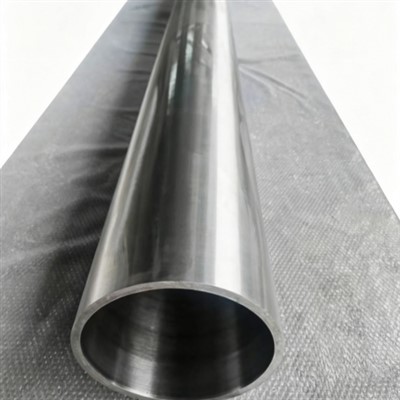
Hey there! As a supplier of 316L stainless steel pipes, I often get asked about the elongation rate of these pipes. So, I thought I'd write a blog post to share some insights on this topic.
First off, let's talk about what elongation rate actually means. Elongation rate is a measure of how much a material can stretch before it breaks. In the case of 316L stainless steel pipes, it's an important property because it indicates the pipe's ability to withstand deformation without failing.
The elongation rate of 316L stainless steel pipes is typically expressed as a percentage. For example, if a pipe has an elongation rate of 40%, it means that it can stretch up to 40% of its original length before it breaks. This is a crucial factor to consider when choosing a stainless steel pipe for your project, especially if the pipe will be subjected to bending, stretching, or other forms of deformation.
Now, let's dive into the factors that can affect the elongation rate of 316L stainless steel pipes. One of the main factors is the chemical composition of the steel. 316L stainless steel is a low-carbon version of 316 stainless steel, which contains molybdenum. The addition of molybdenum enhances the corrosion resistance of the steel, but it can also have an impact on its mechanical properties, including the elongation rate.


Another factor that can affect the elongation rate is the manufacturing process. Pipes that are produced using different manufacturing methods, such as seamless or welded, may have different elongation rates. Seamless pipes, for example, are generally considered to have better mechanical properties, including a higher elongation rate, compared to welded pipes.
The heat treatment of the steel can also play a role in determining the elongation rate. Heat treatment processes, such as annealing, can improve the ductility of the steel, which in turn can increase the elongation rate. On the other hand, improper heat treatment can lead to a decrease in the elongation rate and other mechanical properties.
So, what is the typical elongation rate of 316L stainless steel pipes? According to industry standards, the minimum elongation rate for 316L stainless steel pipes is usually around 40%. However, in practice, the actual elongation rate can vary depending on the factors mentioned above. Some high-quality 316L stainless steel pipes may have an elongation rate of 50% or even higher.
It's important to note that the elongation rate is just one of the many properties that you should consider when choosing a stainless steel pipe for your project. Other properties, such as corrosion resistance, strength, and durability, are also crucial. Therefore, it's always a good idea to consult with a professional or a supplier who can provide you with detailed information about the specific properties of the pipes you're interested in.
At our company, we offer a wide range of TP316L Seamless Pipe that are known for their high quality and excellent mechanical properties. Our pipes are manufactured using the latest technology and strict quality control measures to ensure that they meet or exceed industry standards. We also offer SS304 Welded Pipe And Decorative Pipe and 304L Stainless Steel Tube for various applications.
If you're in the market for stainless steel pipes and have any questions about the elongation rate or other properties, feel free to reach out to us. We have a team of experts who can provide you with the information and guidance you need to make an informed decision. Whether you're working on a small DIY project or a large industrial application, we're here to help you find the right stainless steel pipes for your needs.
In conclusion, the elongation rate of 316L stainless steel pipes is an important property that can affect their performance in various applications. By understanding the factors that can influence the elongation rate and choosing high-quality pipes from a reliable supplier, you can ensure that your project is successful. So, don't hesitate to contact us if you're interested in purchasing stainless steel pipes. We look forward to working with you!
References
- ASME Boiler and Pressure Vessel Code
- ASTM International Standards for Stainless Steel Pipes