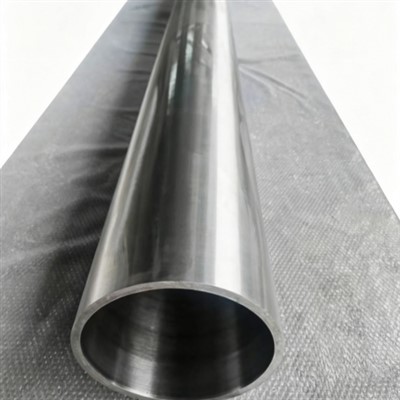
The lifespan of alloy tubes is a crucial consideration for industries that rely on these components for various applications. As an alloy tube supplier, I understand the significance of providing high - quality products with long - lasting performance. In this blog, we'll delve into the factors that influence the lifespan of alloy tubes and how you can maximize their durability.
1. Composition and Properties of Alloy Tubes
Alloy tubes are made by combining different metals to achieve specific properties. For example, Alloy C22 Seamless Pipe Alloy C22 Seamless Pipe is composed of a unique blend of elements that provide excellent corrosion resistance. The addition of chromium, molybdenum, and tungsten enhances its ability to withstand harsh chemical environments. Nickel Pipe Nickel Pipe is another popular option, known for its high - temperature strength and oxidation resistance. Inconel 625 Pipe Inconel 625 Pipe combines nickel, chromium, and molybdenum, offering superior mechanical properties and resistance to a wide range of corrosive media.
The composition of an alloy tube directly affects its lifespan. A well - designed alloy with the right balance of elements will be more resistant to corrosion, wear, and fatigue. For instance, in applications where the tube is exposed to acidic substances, an alloy with high chromium content will form a passive oxide layer on its surface, protecting it from further corrosion.
2. Operating Conditions
The environment in which alloy tubes operate plays a significant role in determining their lifespan. Temperature, pressure, chemical exposure, and mechanical stress are all factors that can impact the durability of these tubes.
Temperature
High - temperature applications can cause the alloy to undergo thermal expansion and contraction, leading to mechanical stress and potential cracking. Some alloys, like Inconel 625, are specifically designed to maintain their strength and integrity at elevated temperatures. However, if the operating temperature exceeds the alloy's maximum recommended limit, the lifespan of the tube will be significantly reduced.
Pressure
Excessive pressure can cause deformation and failure of alloy tubes. The wall thickness and design of the tube must be carefully selected to withstand the operating pressure. In applications where pressure fluctuations are common, the tube may experience fatigue, which can lead to cracks over time.
Chemical Exposure
Chemical substances, such as acids, alkalis, and salts, can corrode alloy tubes. The type and concentration of the chemicals, as well as the duration of exposure, all affect the rate of corrosion. For example, in the oil and gas industry, alloy tubes used in offshore platforms are exposed to seawater, which contains various salts and minerals. Special alloys with high corrosion resistance are required to ensure a long lifespan in such environments.
Mechanical Stress
Mechanical stress, such as vibration, bending, and torsion, can also affect the lifespan of alloy tubes. In applications where the tube is subjected to continuous mechanical stress, it may develop cracks or fractures. Proper installation and support of the tube can help reduce mechanical stress and extend its lifespan.
3. Manufacturing Quality
The manufacturing process of alloy tubes has a profound impact on their lifespan. High - quality manufacturing ensures that the tube has uniform wall thickness, proper grain structure, and minimal defects.
Production Methods
There are several methods for manufacturing alloy tubes, including seamless and welded processes. Seamless tubes are generally considered to have better mechanical properties and corrosion resistance because they do not have a weld seam, which can be a potential weak point. However, welded tubes can also be of high quality if the welding process is carefully controlled.
Quality Control
During the manufacturing process, strict quality control measures should be in place to ensure that the tubes meet the required standards. This includes non - destructive testing, such as ultrasonic testing and X - ray inspection, to detect any internal defects. Heat treatment is also an important step in the manufacturing process, as it can improve the mechanical properties and corrosion resistance of the alloy.
4. Maintenance and Inspection
Regular maintenance and inspection are essential for extending the lifespan of alloy tubes. By identifying and addressing potential issues early, you can prevent major failures and costly replacements.
Cleaning
Periodic cleaning of alloy tubes can remove dirt, debris, and chemical deposits that may cause corrosion. The cleaning method should be selected based on the type of alloy and the nature of the contaminants. For example, mild detergents can be used for general cleaning, while more aggressive cleaning agents may be required for stubborn deposits.
Inspection
Visual inspection, non - destructive testing, and pressure testing are all important methods for inspecting alloy tubes. Visual inspection can detect surface cracks, corrosion, and deformation. Non - destructive testing techniques, such as ultrasonic testing and magnetic particle inspection, can identify internal defects that may not be visible to the naked eye. Pressure testing can ensure that the tube can withstand the operating pressure without leakage.
Repairs and Replacements
If any defects are detected during inspection, timely repairs or replacements should be carried out. Minor defects can sometimes be repaired by welding or other methods, but in cases where the damage is severe, the tube may need to be replaced.
5. Installation and Handling
Proper installation and handling of alloy tubes are crucial for their long - term performance. Incorrect installation can lead to misalignment, stress concentration, and premature failure.
Installation
The tube should be installed according to the manufacturer's instructions. This includes ensuring proper alignment, support, and connection. Adequate clearance should be provided to allow for thermal expansion and contraction. In addition, the tube should be protected from physical damage during installation.
Handling
During transportation and storage, alloy tubes should be handled with care to prevent scratches, dents, and other damage. They should be stored in a dry, clean environment to avoid corrosion.
6. Maximizing the Lifespan of Alloy Tubes
To maximize the lifespan of alloy tubes, the following steps can be taken:
- Select the Right Alloy: Choose an alloy that is suitable for the specific operating conditions. Consider factors such as temperature, pressure, chemical exposure, and mechanical stress.
- Optimize Operating Conditions: Try to maintain the operating temperature, pressure, and chemical exposure within the recommended limits of the alloy.
- Ensure High - Quality Manufacturing: Purchase alloy tubes from a reputable supplier that adheres to strict quality control standards.
- Implement Regular Maintenance and Inspection: Establish a maintenance schedule and conduct regular inspections to detect and address potential issues early.
- Proper Installation and Handling: Follow the manufacturer's instructions for installation and handling to avoid damage to the tube.
7. Conclusion
The lifespan of alloy tubes is influenced by a variety of factors, including composition, operating conditions, manufacturing quality, maintenance, and installation. As an alloy tube supplier, I am committed to providing customers with high - quality products and technical support to ensure that their alloy tubes have a long and reliable lifespan.


If you are in need of alloy tubes for your application, I encourage you to contact us for more information. Our team of experts can help you select the right alloy and provide guidance on installation, maintenance, and other aspects. We are dedicated to meeting your specific needs and ensuring the success of your projects.
References
- ASM Handbook Volume 13A: Corrosion: Fundamentals, Testing, and Protection.
- Metals Handbook Desk Edition, 3rd Edition.
- Technical literature from alloy tube manufacturers.