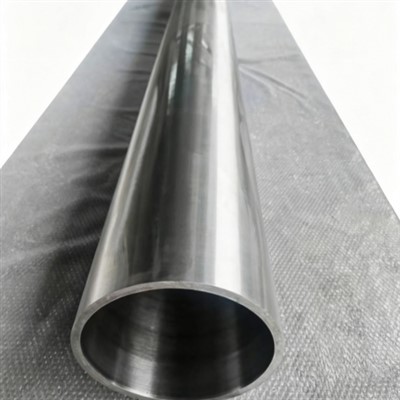
Hey there! As a supplier of 254SMO Stainless Steel Pipe, I often get asked about the noise level when fluid flows through these pipes. It's a pretty interesting topic, and in this blog, I'll share what I know about it.
First off, let's understand what 254SMO stainless steel pipe is. It's a super austenitic stainless steel with high levels of chromium, nickel, and molybdenum, which gives it excellent corrosion resistance. This makes it a popular choice in various industries, like chemical processing, desalination plants, and marine applications.
Now, when it comes to the noise level during fluid flow, several factors come into play. One of the main things is the flow rate of the fluid. If the fluid is flowing at a high speed through the pipe, it can create more noise. Think of it like a river - a gentle stream makes a soft gurgling sound, but a fast - flowing rapids can be quite loud.
The type of fluid also matters. Viscous fluids, like thick oils, tend to create less noise compared to low - viscosity fluids such as water. This is because viscous fluids have more internal friction, which dampens the vibrations and reduces the noise.


The diameter of the 254SMO stainless steel pipe is another crucial factor. Smaller diameter pipes can cause the fluid to flow more turbulently, resulting in higher noise levels. On the other hand, larger diameter pipes provide more space for the fluid to flow smoothly, reducing the chances of turbulence and thus lowering the noise.
The roughness of the pipe's inner surface can also impact the noise. A smooth inner surface allows the fluid to flow more freely with less friction, which in turn reduces the noise. 254SMO stainless steel pipes usually have a relatively smooth surface finish, which is beneficial in terms of noise reduction.
To measure the noise level, we can use a sound level meter. This device can give us an accurate reading of the decibels (dB) produced during fluid flow. In general, for normal industrial applications where 254SMO pipes are used, the noise level can range from around 40 - 70 dB. However, in high - flow or high - pressure situations, it can go up to 80 dB or even higher.
It's important to keep in mind that excessive noise can be a sign of problems. For example, if the noise level suddenly increases, it could indicate a blockage in the pipe, a change in the fluid properties, or some mechanical issues with the pipe system.
Let's compare 254SMO stainless steel pipes with 904L Stainless Steel Pipe. 904L is also a type of stainless steel used in similar applications. In terms of noise during fluid flow, both pipes can perform well if they are properly installed and maintained. However, 254SMO has better corrosion resistance, which means it can maintain its smooth inner surface for a longer time, potentially leading to more consistent and lower noise levels over the pipe's lifespan.
In industrial settings, noise reduction is not just about comfort. High noise levels can be a safety hazard, as they can cause hearing damage to workers. It can also affect the overall working environment and the performance of nearby equipment. So, if you're using 254SMO stainless steel pipes in your project, it's a good idea to take steps to minimize the noise.
One way to reduce the noise is by using proper insulation. Wrapping the pipes with sound - absorbing materials can significantly dampen the noise. Another option is to install flow - control devices, such as valves and regulators, to ensure a more stable and smooth flow of the fluid.
If you're in the market for 254SMO stainless steel pipes, you should consider the long - term benefits. Their corrosion resistance means less maintenance and a longer service life. And with proper design and installation, you can keep the noise level under control.
Whether you're a project manager, an engineer, or someone involved in the procurement process, understanding the noise level when fluid flows through 254SMO stainless steel pipes is essential. It can help you make informed decisions about your piping system.
If you have any questions about 254SMO stainless steel pipes, or if you're interested in purchasing them for your project, feel free to reach out. We're here to help you find the right solution for your needs. Let's have a chat and see how we can work together to meet your requirements.
References:
- "Fluid Mechanics" by Frank M. White
- "Handbook of Stainless Steels" for material properties and application details
- Industry - specific research papers on fluid flow in stainless steel pipes