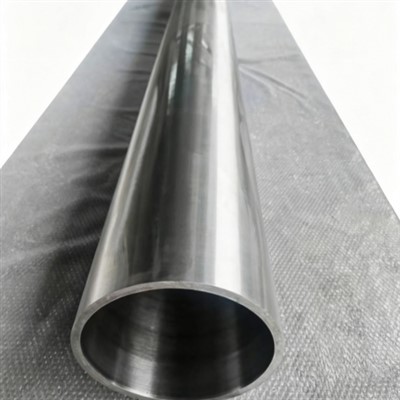
Pitting corrosion is a form of localized corrosion that occurs on metal surfaces, leading to the formation of small pits or holes. In the context of stainless steel pipes, understanding pitting corrosion resistance is crucial for ensuring their long - term performance and durability. As a stainless steel pipe supplier, I have witnessed firsthand the importance of this property in various applications.
What Causes Pitting Corrosion in Stainless Steel Pipes?
Pitting corrosion in stainless steel pipes is primarily caused by the presence of aggressive anions, such as chloride ions. These ions can be found in many environments, including seawater, industrial chemicals, and even some cleaning agents. When stainless steel is exposed to a chloride - containing environment, the protective oxide layer on its surface can be disrupted.
The oxide layer, which is typically composed of chromium oxide, is what gives stainless steel its corrosion - resistant properties. However, chloride ions can penetrate this layer and react with the underlying metal, forming soluble metal chlorides. Once the oxide layer is breached, a small pit begins to form. Inside the pit, the corrosion process accelerates due to the formation of a concentration cell. The pit acts as an anode, while the surrounding unaffected metal acts as a cathode. This results in a flow of electrons from the pit to the cathode, further promoting the dissolution of the metal within the pit.
Factors Affecting Pitting Corrosion Resistance
Alloy Composition
The composition of the stainless steel alloy plays a significant role in its pitting corrosion resistance. Chromium is the most important element for corrosion resistance in stainless steel. It forms a passive oxide layer on the surface of the metal, which protects it from further corrosion. Generally, the higher the chromium content, the better the pitting corrosion resistance.
In addition to chromium, other elements such as molybdenum and nitrogen can also enhance pitting corrosion resistance. Molybdenum forms a more stable oxide layer and helps to inhibit the growth of pits. Nitrogen can improve the passive film's stability and increase the resistance to chloride - induced pitting. For example, SS310 UNS S31000 has a relatively high chromium and nickel content, which gives it good resistance to high - temperature oxidation and pitting corrosion in many environments.
Surface Finish
The surface finish of stainless steel pipes can also affect their pitting corrosion resistance. A smooth surface finish is less likely to trap chloride ions and other contaminants, reducing the likelihood of pitting corrosion. Rough surfaces, on the other hand, can provide sites for the accumulation of aggressive ions, increasing the risk of pitting. Polishing the surface of the pipe can improve its pitting corrosion resistance by removing surface defects and creating a more uniform oxide layer.
Environmental Conditions
The environment in which the stainless steel pipe is used has a major impact on its pitting corrosion resistance. Factors such as temperature, pH, and the concentration of aggressive ions all play a role. Higher temperatures generally increase the rate of corrosion reactions, including pitting corrosion. In acidic or alkaline environments, the stability of the passive oxide layer can be affected, increasing the susceptibility to pitting.
The concentration of chloride ions is a critical factor. Even small amounts of chloride can cause pitting corrosion in stainless steel. For example, in seawater, which has a high chloride concentration, stainless steel pipes need to have a high level of pitting corrosion resistance to avoid premature failure.
Measuring Pitting Corrosion Resistance
There are several methods for measuring the pitting corrosion resistance of stainless steel pipes. One common method is the potentiodynamic polarization test. In this test, an electrode made of the stainless steel sample is immersed in a test solution containing chloride ions. A potential is applied to the electrode, and the current is measured as the potential is increased. The point at which the current suddenly increases indicates the breakdown of the passive oxide layer and the initiation of pitting corrosion.
Another method is the critical pitting temperature (CPT) test. In this test, the sample is immersed in a chloride - containing solution, and the temperature is gradually increased until pitting corrosion occurs. The CPT is the lowest temperature at which pitting corrosion is observed. A higher CPT indicates better pitting corrosion resistance.
Applications and the Importance of Pitting Corrosion Resistance
Stainless steel pipes are widely used in various industries, including chemical processing, oil and gas, food and beverage, and water treatment. In the chemical processing industry, stainless steel pipes are used to transport corrosive chemicals. Pitting corrosion can lead to leaks, which can be dangerous and costly. For example, in a chemical plant, a leak in a pipe carrying a toxic chemical can pose a serious threat to the environment and the safety of workers.
In the oil and gas industry, stainless steel pipes are used in offshore platforms and pipelines. These pipes are exposed to seawater, which is highly corrosive due to its high chloride content. Pitting corrosion can weaken the pipes, increasing the risk of pipeline failures. A failure in an offshore pipeline can result in oil spills, which have a significant environmental impact.
In the food and beverage industry, stainless steel pipes are used for transporting food products and cleaning solutions. Pitting corrosion can contaminate the food products, leading to quality issues and potential health risks. Therefore, stainless steel pipes with high pitting corrosion resistance are essential in this industry.

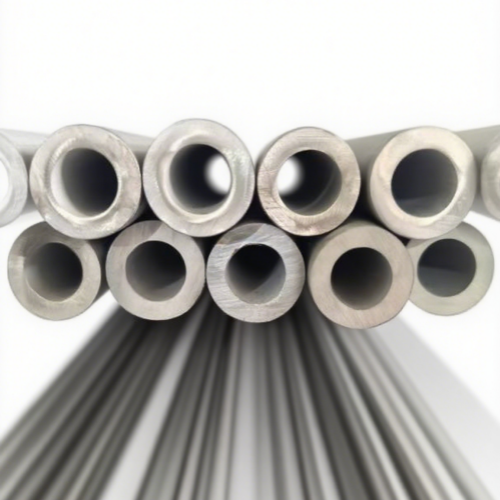
Our Offerings as a Stainless Steel Pipe Supplier
As a stainless steel pipe supplier, we offer a wide range of stainless steel pipes with different compositions and specifications to meet the diverse needs of our customers. Our Hexagonal Stainless Steel Pipe is not only unique in shape but also has excellent corrosion resistance properties. We also supply SS304 UNS S30400 pipes, which are one of the most commonly used stainless steel grades due to their good combination of corrosion resistance and affordability.
We understand the importance of pitting corrosion resistance in different applications. That's why we ensure that all our stainless steel pipes are tested for pitting corrosion resistance before they are delivered to our customers. We work closely with our customers to understand their specific requirements and recommend the most suitable stainless steel pipes for their projects.
Conclusion
Pitting corrosion resistance is a critical property of stainless steel pipes. It is affected by factors such as alloy composition, surface finish, and environmental conditions. Understanding these factors and measuring pitting corrosion resistance accurately is essential for ensuring the long - term performance of stainless steel pipes in various applications.
If you are in need of high - quality stainless steel pipes with excellent pitting corrosion resistance, we are here to help. Contact us to discuss your requirements and start a procurement negotiation. We are committed to providing you with the best products and services to meet your needs.
References
- Fontana, M. G. (1986). Corrosion Engineering. McGraw - Hill.
- Uhlig, H. H., & Revie, R. W. (1985). Corrosion and Corrosion Control. Wiley - Interscience.
- ASTM International. (2019). Standard Test Methods for Pitting and Crevice Corrosion Resistance of Stainless Steels and Related Alloys by Potentiodynamic Polarization in Acidified Chloride Solution. ASTM G150 - 19.