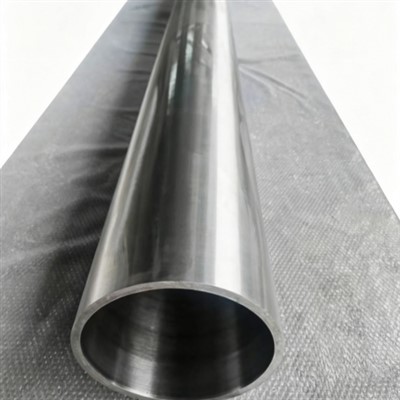
Hey there! As a supplier of 316L stainless steel pipes, I often get asked about the wall thickness tolerance of these pipes. It's a crucial topic because the wall thickness directly affects the performance and application of the pipes. So, let's dive right in and explore what the wall thickness tolerance of 316L stainless steel pipe is all about.
Understanding 316L Stainless Steel Pipe
First off, 316L stainless steel is a popular choice in many industries. It's known for its excellent corrosion resistance, especially in environments where there's exposure to chemicals, saltwater, and high humidity. The "L" in 316L stands for low carbon, which reduces the risk of carbide precipitation during welding, making it ideal for welded structures.
These pipes are used in a wide range of applications, from food and beverage processing to pharmaceutical manufacturing. They're also commonly found in marine environments, chemical plants, and architectural structures. The versatility of 316L stainless steel pipes is one of the reasons why they're so in demand.
What is Wall Thickness Tolerance?
Wall thickness tolerance refers to the allowable deviation from the specified wall thickness of a pipe. In other words, it's the range within which the actual wall thickness of a pipe can vary from the nominal or intended thickness. This tolerance is important because it ensures that the pipes meet the required standards and perform as expected.
For example, if a pipe is specified to have a wall thickness of 3mm, the wall thickness tolerance will define the acceptable minimum and maximum thicknesses. Let's say the tolerance is ±0.1mm. This means that the actual wall thickness of the pipe can range from 2.9mm to 3.1mm and still be considered acceptable.
Factors Affecting Wall Thickness Tolerance
There are several factors that can affect the wall thickness tolerance of 316L stainless steel pipes. Here are some of the key ones:
Manufacturing Process
The manufacturing process plays a significant role in determining the wall thickness tolerance. Different manufacturing methods, such as seamless and welded processes, can result in different levels of tolerance. Seamless pipes generally have tighter tolerances because they're produced from a single piece of metal without any welds. On the other hand, welded pipes may have slightly looser tolerances due to the welding process.
Pipe Size
The size of the pipe also affects the wall thickness tolerance. Generally, smaller pipes tend to have tighter tolerances compared to larger pipes. This is because it's easier to control the wall thickness during the manufacturing process for smaller pipes. As the pipe size increases, it becomes more challenging to maintain a consistent wall thickness, resulting in wider tolerances.
Material Properties
The properties of the 316L stainless steel material can also impact the wall thickness tolerance. Factors such as the chemical composition, hardness, and ductility of the material can affect how it behaves during the manufacturing process. For example, if the material is too hard or brittle, it may be more difficult to achieve a precise wall thickness, leading to larger tolerances.
Industry Standards for Wall Thickness Tolerance
There are several industry standards that specify the wall thickness tolerance for 316L stainless steel pipes. Some of the most commonly used standards include ASTM A312, ASTM A269, and ASME B36.19. These standards define the acceptable tolerances based on the pipe size, manufacturing process, and application.
For example, according to ASTM A312, the wall thickness tolerance for seamless 316L stainless steel pipes is typically ±12.5% of the specified wall thickness. For welded pipes, the tolerance may be slightly wider, around ±15%. However, it's important to note that these are general guidelines, and the actual tolerance may vary depending on the specific requirements of the customer.
Importance of Wall Thickness Tolerance
The wall thickness tolerance of 316L stainless steel pipes is crucial for several reasons. Here are some of the key reasons why it matters:
Structural Integrity
The wall thickness of a pipe directly affects its structural integrity. If the wall thickness is too thin, the pipe may not be able to withstand the pressure and stress it's subjected to, leading to leaks or failures. On the other hand, if the wall thickness is too thick, it can increase the weight and cost of the pipe without providing any additional benefits.


Performance
The wall thickness also affects the performance of the pipe. For example, in applications where the pipe is used to transport fluids or gases, the wall thickness can impact the flow rate and pressure drop. A pipe with a consistent wall thickness will provide more reliable and efficient performance compared to a pipe with inconsistent wall thickness.
Compliance
Meeting the required wall thickness tolerance is essential for compliance with industry standards and regulations. Many industries, such as the food and beverage, pharmaceutical, and marine industries, have strict requirements for the quality and performance of the pipes they use. By ensuring that the pipes meet the specified wall thickness tolerance, you can ensure compliance and avoid any potential legal issues.
Our Commitment as a Supplier
As a supplier of 316L stainless steel pipes, we understand the importance of wall thickness tolerance. That's why we have strict quality control measures in place to ensure that all our pipes meet the required standards. We work closely with our manufacturers to monitor the manufacturing process and conduct regular inspections to verify the wall thickness of the pipes.
In addition to meeting the industry standards, we also offer custom solutions to meet the specific requirements of our customers. If you have a unique application that requires a specific wall thickness tolerance, we can work with you to develop a solution that meets your needs.
Other Related Products
If you're interested in other types of stainless steel pipes, we also offer Sanitary Stainless Steel Tubing, 309 Stainless Steel Pipe, and 321 Stainless Tubing. These products have their own unique properties and applications, and we can provide you with more information if you're interested.
Let's Talk!
If you have any questions about the wall thickness tolerance of 316L stainless steel pipes or if you're interested in purchasing our products, please don't hesitate to contact us. We're here to help you find the right solution for your needs. Whether you're a small business or a large corporation, we can provide you with high-quality pipes at competitive prices.
References
- ASTM A312: Standard Specification for Seamless, Welded, and Heavily Cold Worked Austenitic Stainless Steel Pipes
- ASTM A269: Standard Specification for Seamless and Welded Austenitic Stainless Steel Tubing for General Service
- ASME B36.19: Welded and Seamless Austenitic Stainless Steel Pipe