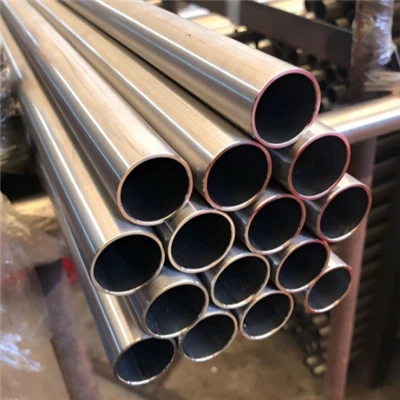
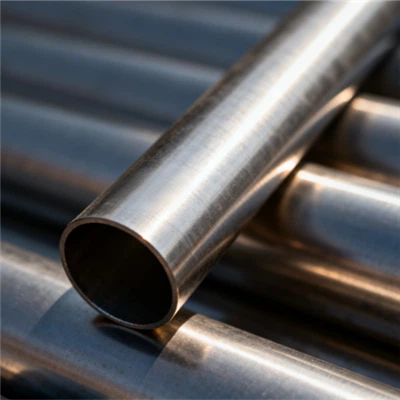
Stainless steel is more than just a material-it's a cornerstone of modern engineering, design, and daily life. From kitchen appliances to skyscrapers, medical tools to aerospace components, its unique blend of durability, corrosion resistance, and versatility has made it indispensable. But what exactly is stainless steel, and what sets it apart? Let's dive into the science, types, and applications of this remarkable alloy.
What is Stainless Steel?
At its core, stainless steel is an iron-based alloy containing at least 10.5% chromium. This chromium reacts with oxygen in the air to form a thin, invisible layer of chromium oxide on the surface. Known as the "passive layer," this film acts as a shield, preventing further corrosion and rust. Unlike other metals, if the surface is scratched, the passive layer self-heals, ensuring long-lasting protection.
Carbon is another key component, typically ranging from 0.03% to 1.2%, which strengthens the alloy. Additional elements like nickel, molybdenum, manganese, or titanium are often added to enhance specific properties, such as ductility, heat resistance, or weldability.
The Main Types of Stainless Steel
Stainless steel isn't a one-size-fits-all material. Its classification depends on microstructure, which is determined by alloying elements. Here are the most common types:
1. Austenitic Stainless Steel
- Composition: High nickel and chromium content (e.g., 18% Cr, 8% Ni in 304 grade).
- Properties: Non-magnetic, highly ductile, excellent corrosion resistance, and weldable.
- Applications: Kitchenware, food processing equipment, architectural trim, and chemical storage tanks. The iconic 304 stainless steel is the most widely used variant here.
2. Ferritic Stainless Steel
- Composition: High chromium (10.5–30%), low carbon, and little to no nickel.
- Properties: Magnetic, strong, and resistant to oxidation at high temperatures. Less ductile than austenitic types but more affordable.
- Applications: Automotive exhaust systems, heating elements, and decorative panels.
3. Martensitic Stainless Steel
- Composition: High carbon and chromium (11–17%), allowing heat treatment for hardness.
- Properties: Magnetic, hard, and wear-resistant, but lower corrosion resistance compared to austenitic grades.
- Applications: Cutlery, surgical instruments, valves, and turbine blades.
4. Duplex Stainless Steel
- Composition: Balanced austenitic and ferritic microstructure (e.g., 22% Cr, 5% Ni, 3% Mo).
- Properties: Combines strength (ferritic) and corrosion resistance (austenitic), with high toughness.
- Applications: Oil and gas pipelines, marine structures, and desalination plants, where durability in harsh environments is critical.
Why Choose Stainless Steel?
- Corrosion Resistance: The passive chromium oxide layer makes it ideal for humid, chemical, or marine environments.
- Durability: Withstands extreme temperatures (from cryogenics to high heat) and physical wear, reducing maintenance costs.
- Hygiene: Non-porous surface resists bacteria growth, making it essential for healthcare and food industries.
- Sustainability: 100% recyclable, with a high recycling rate (over 90% in many sectors), reducing environmental impact.
- Aesthetics: Available in brushed, polished, or colored finishes, adding a sleek, modern look to designs.
Caring for Stainless Steel
While stainless steel is low-maintenance, proper care ensures longevity:
- Clean Regularly: Use mild soap and water to remove fingerprints or grime. Avoid abrasive cleaners that can scratch the surface.
- Avoid Chloride Exposure: Chlorine (e.g., in saltwater or bleach) can damage the passive layer. Rinse thoroughly after contact.
- Polish When Needed: For a shine, use a stainless steel polish or a mixture of baking soda and water.
Conclusion
Stainless steel's adaptability has revolutionized industries and everyday life. From the spoon in your kitchen to the bridge you cross, its ability to combine strength, safety, and sustainability is unmatched. Understanding its types and properties helps in choosing the right grade for every project-ensuring performance, efficiency, and style.
Next time you encounter stainless steel, take a moment to appreciate the science behind its shine. It's not just metal; it's a material that shapes our world.
Stay tuned for more deep dives into materials science and engineering!