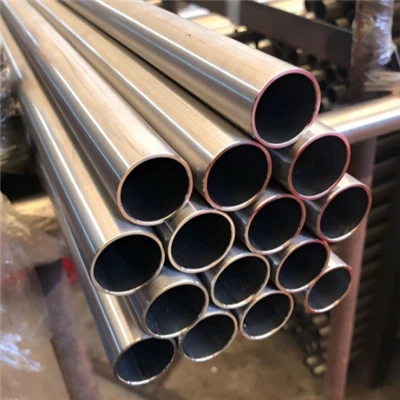
Stainless steel, a material often overshadowed by flashier technologies, has emerged as a silent linchpin of modern innovation-enabling breakthroughs in clean energy, healthcare, and infrastructure that are solving some of the world's most pressing challenges. Its unique blend of corrosion resistance, strength, and sustainability has made it indispensable to industries shaping the future.
1.Driving the Clean Energy Transition
In the race to decarbonize, stainless steel is at the heart of the hydrogen economy. Hydrogen electrolyzers, which produce green hydrogen from renewable electricity, rely on stainless steel components to withstand the corrosive effects of electrolytes-critical for achieving long-term efficiency. According to the International Stainless Steel Forum (ISSF), demand for stainless steel in hydrogen applications surged 22% in 2023, with companies like Siemens Energy and Air Liquide using it in next-generation electrolyzers that boost efficiency by 30%. Wind turbines also depend on stainless steel for rotor blades and tower structures, as it endures decades of harsh weather without degradation. For example, Denmark's offshore wind farms use over 50,000 tons of stainless steel annually, ensuring turbines operate reliably for 25+ years.
2.Saving Lives in Healthcare
In medicine, stainless steel's biocompatibility and sterility make it irreplaceable. Surgical instruments, implantable devices (e.g., heart stents, hip replacements), and MRI machine components are all made from stainless steel-thanks to its resistance to bodily fluids and ability to integrate with human tissue. A 2024 study inJournal of Biomedical Materials Researchfound that stainless steel implants have a 95% success rate after a decade, outperforming other materials. During the COVID-19 pandemic, it played a life-saving role: stainless steel ventilator parts and reusable surgical masks were critical to reducing waste and maintaining supply chains, as they could be sterilized hundreds of times without losing functionality.
3.Building Resilient Infrastructure
Stainless steel is also constructing more durable, sustainable cities. The Hong Kong-Zhuhai-Macau Bridge, the world's longest sea-crossing bridge, uses 200,000 tons of stainless steel in its structural components-protecting it from the South China Sea's corrosive saltwater for 120 years. In the U.S., the new San Francisco-Oakland Bay Bridge relies on 10,000 tons of stainless steel cables, cutting maintenance costs by 70% compared to traditional materials. Beyond durability, stainless steel is a circular economy champion: it's 100% recyclable, with 90% of global production coming from recycled scrap. This reduces carbon emissions by up to 75% versus virgin steel, aligning with global net-zero goals.
4.Innovating for the Future
Researchers are now pushing stainless steel's limits even further. High-nitrogen stainless steel, a lighter, more corrosion-resistant variant, is being tested in electric vehicle (EV) batteries to extend lifespan and improve safety. NASA is exploring stainless steel for lunar habitat structures, as it can withstand extreme temperature swings and cosmic radiation better than aluminum. Meanwhile, in marine energy, stainless steel is used in tidal turbines to generate power from ocean currents-with projects in Scotland and Canada reporting 20% higher energy output due to its durability.
5.A Material for Generations
From powering green hydrogen plants to saving lives in operating rooms, stainless steel's impact is everywhere-yet it rarely gets the recognition it deserves. Its ability to adapt to new challenges, combined with its sustainability, makes it a material for generations. As the world shifts toward a low-carbon future, stainless steel will remain the unsung hero-quietly powering progress while standing the test of time.